
Your quick guide to navigating safety data sheets (SDS).
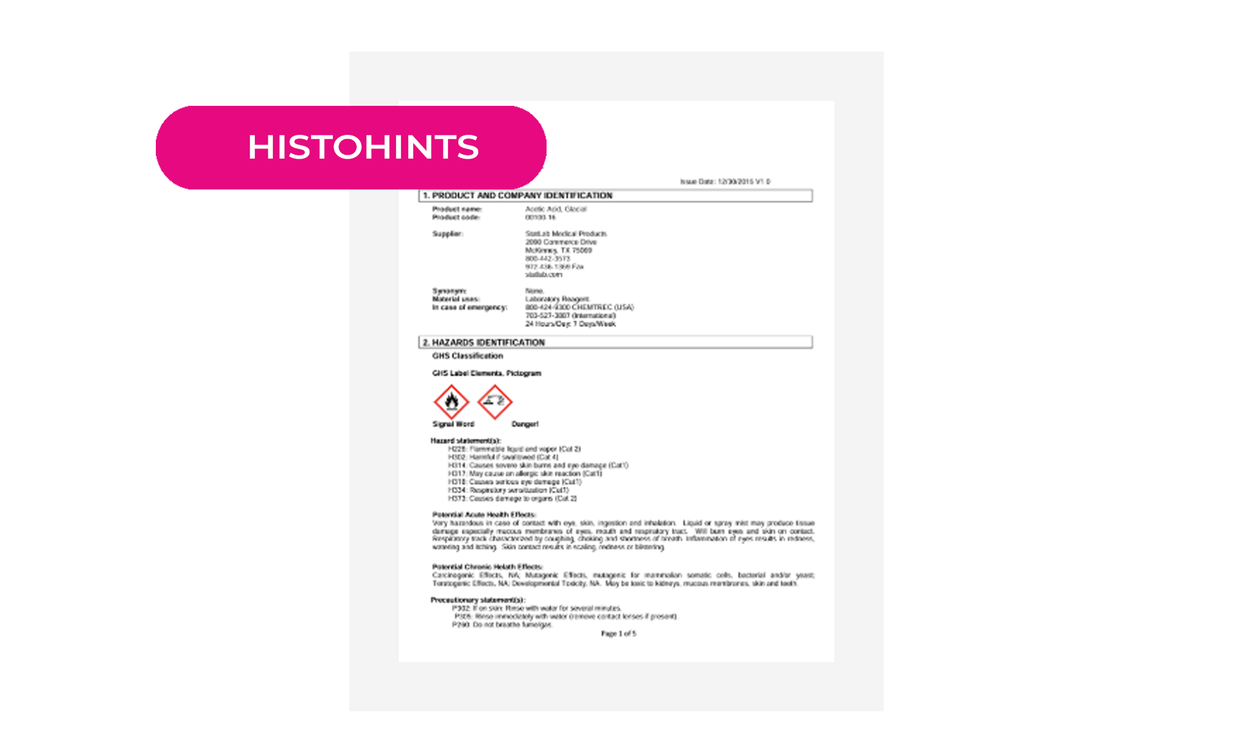
Not sure how to store a specific reagent or safely dispose of one? Need to know if a certain chemical may be hazardous? Maybe you need to send a solution to another lab and aren’t sure how to safely transport it. In these cases, the Safety Data Sheet (SDS) is the place to look. An SDS is a detailed document created for any chemical that poses a health or safety risk. Not every product will have one – if it doesn’t contain hazardous components, an SDS isn’t required. While these documents can sometimes be long and tricky to navigate, they all follow a standard format to make it easier to find what you’re looking for. Here’s a quick breakdown of key sections and tips to understand the information.
Non-hazardous components like distilled water and solid items like cassettes and slides do not require SDSs.
- Hazard Categories
Be aware of which hazard categories and scores are used on each SDS. OSHA scores and NFPA scores are different:
- OSHA HazCom Categories: Informs workers of hazards of chemicals under normal conditions of use.
1-4: 1 – most hazardous to 4
Will be in a rectangular box

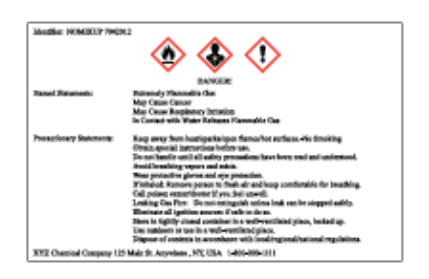
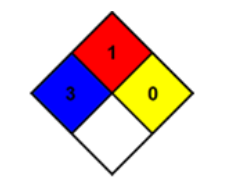
- NFPA Categories: Basic information for emergency personnel responding or planning for
emergency response.
0-4: 0 – least hazardous to 4 - most hazardous
Will be shaped like a diamond. This is what is used by StatLab.

- Flash point: The lowest temperature at which a chemical or its vapors will ignite. The lower the flash point, the higher the fire hazard.
Recent Posts
-
StatClick Prefill Handling and Closure
How to properly handle and close the StatClick Prefill for leak-proof transport. Follow your facili
-

Silver stains start here: clean glassware.
We’ve all had that glassware that looks clean—but silver stains can tell a different story. Tiny tra
-
Color Matters: 10 tips for getting the most from Tissue Marking Dyes.
Tissue Marking Dyes may seem like a simple part of the grossing workflow, but small handling habits