
Why mentorship matters in histology.
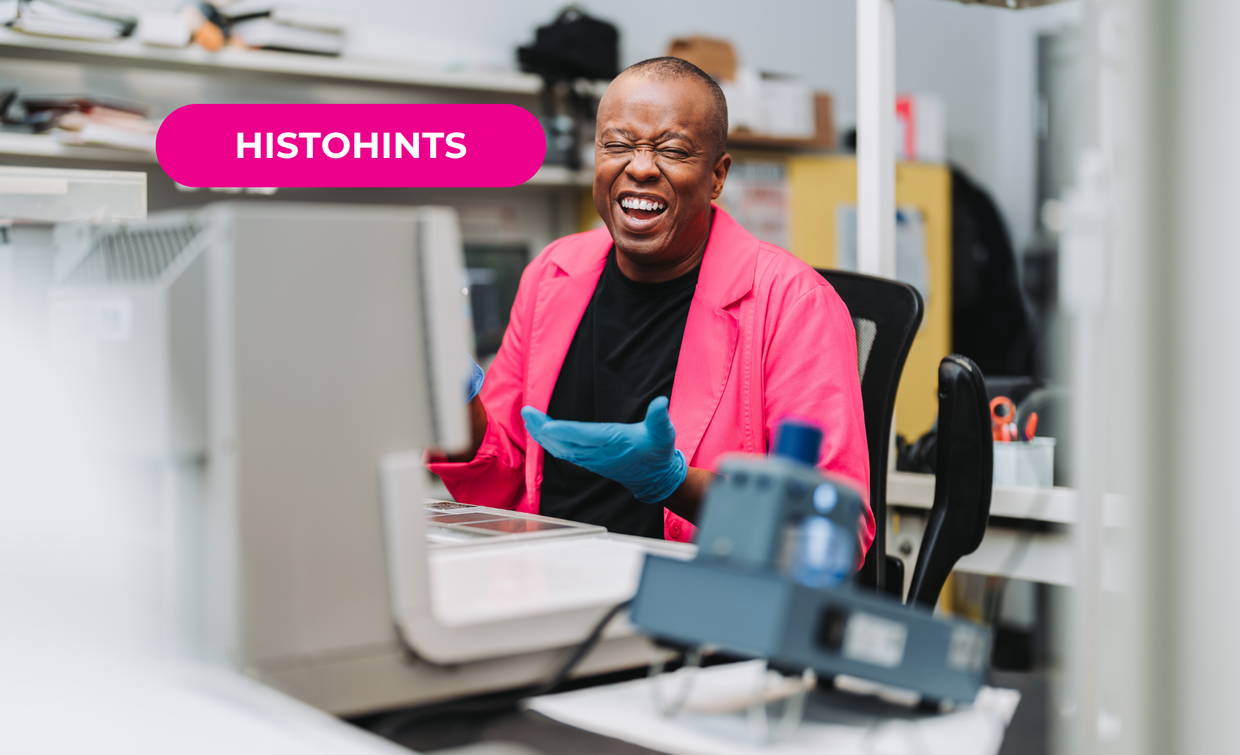
In histology, real expertise isn’t learned from textbooks, it’s built at the bench. It’s developed in the small adjustments, the troubleshooting moments, and the skill to recognize when something just isn’t right. Early in our careers, we rely on trial and error to learn and build confidence. While that’s a natural part of the process, it can slow progress and lead to inconsistent results.
Why Mentorship Matters
With a strong mentor, growth happens faster. They don’t just explain what to do – they explain why it matters. Instead of instructing a new student or histotech to embed a skin specimen on edge, a mentor can explain how proper orientation exposes all tissue layers and supports diagnostic accuracy. Understanding reasoning behind a technique helps transform a task into a skill.
With the right guidance, new histotechs can:
- Understand how each step impacts the final slide.
- Connect artifacts like chatter or thick/thin sections to root causes.
- Improve embedding and microtomy techniques faster.
- Develop stronger troubleshooting skills and confidence.
Mentorship creates an environment where histotechs know they have support. They ask more questions, take more ownership, and improve faster. Instead of second-guessing their work, histotechs can focus on getting better, knowing someone experienced is there to guide them. And in a field where retention is a challenge, that support can make people want to stay and grow.
Starting Mentorship Early: The role of clinical liaison support
Mentorship doesn’t have to start on day one in the lab – it can begin during training. That’s where clinical liaison support comes in. Through partnerships with histology programs, laboratory and industry professionals can help bridge the gap between classroom learning and real-world expectations. Clinical liaison support gives students exposure to lab workflows, best practices, and experienced professionals before they enter the workforce. When students graduate with this kind of exposure, they’re more prepared – and need less time to get up to speed.
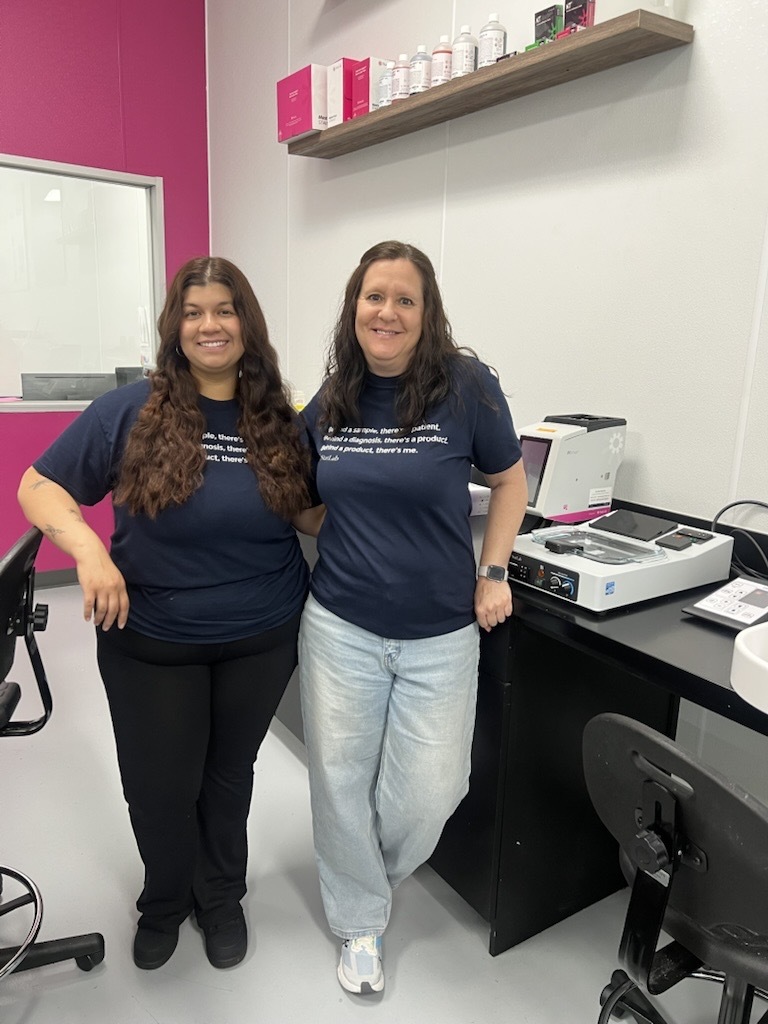
We recently had the opportunity to put this approach into practice with an employee in the StatLab Quality department who was interested in transitioning into histology. Through the Indiana University Histology Program, we were able to provide structured clinical liaison support and hands-on mentorship within our Innovation Lab, helping bridge her training experience with real-world laboratory practice.
In her own words:
Having a strong clinical liaison significantly increased my confidence, skills, and overall understanding of the material. I was truly fortunate to have a mentor whom I could trust and rely on for guidance, encouragement, and professional development throughout the program. Through her support, I gained hands-on training, assistance, and meaningful career growth under the guidance of an experienced Histotechnician.
Mentorship has been essential and a necessity to my success, and I would not be where I am today without the support of my mentor who guided me along the way.
-Sandy
Sandy and her Clinical Liaison, Rachel.
Building a Mentorship Culture
Don’t leave mentorship up to chance - make it a part of your culture. Mentorship doesn’t have to mean leading a formal training program or making a major time commitment. Every experienced histotech has knowledge and insights that can help someone else grow. Something as simple as spending an hour a week with a newer tech, sharing practical tips at the bench, or discussing challenges and solutions can make a difference. Consider watching an on-demand webinar together discussing key takeaways afterward. Encourage colleagues to attend state histology meetings and events. Explore opportunities through NSH for accredited histology schools, continuing education resources, and professional development opportunities.
No matter how small the effort may seem, investing in the development of other techs helps strengthen individual careers and the future of the profession. Mentorship remains one of the most powerful ways to ensure that knowledge continues to grow.
Recent Posts
-
StatClick Prefill Handling and Closure
How to properly handle and close the StatClick Prefill for leak-proof transport. Follow your facili
-
Silver stains start here: clean glassware.
We’ve all had that glassware that looks clean—but silver stains can tell a different story. Tiny tra
-
Color Matters: 10 tips for getting the most from Tissue Marking Dyes.
Tissue Marking Dyes may seem like a simple part of the grossing workflow, but small handling habits