
Spill response in the histology lab.
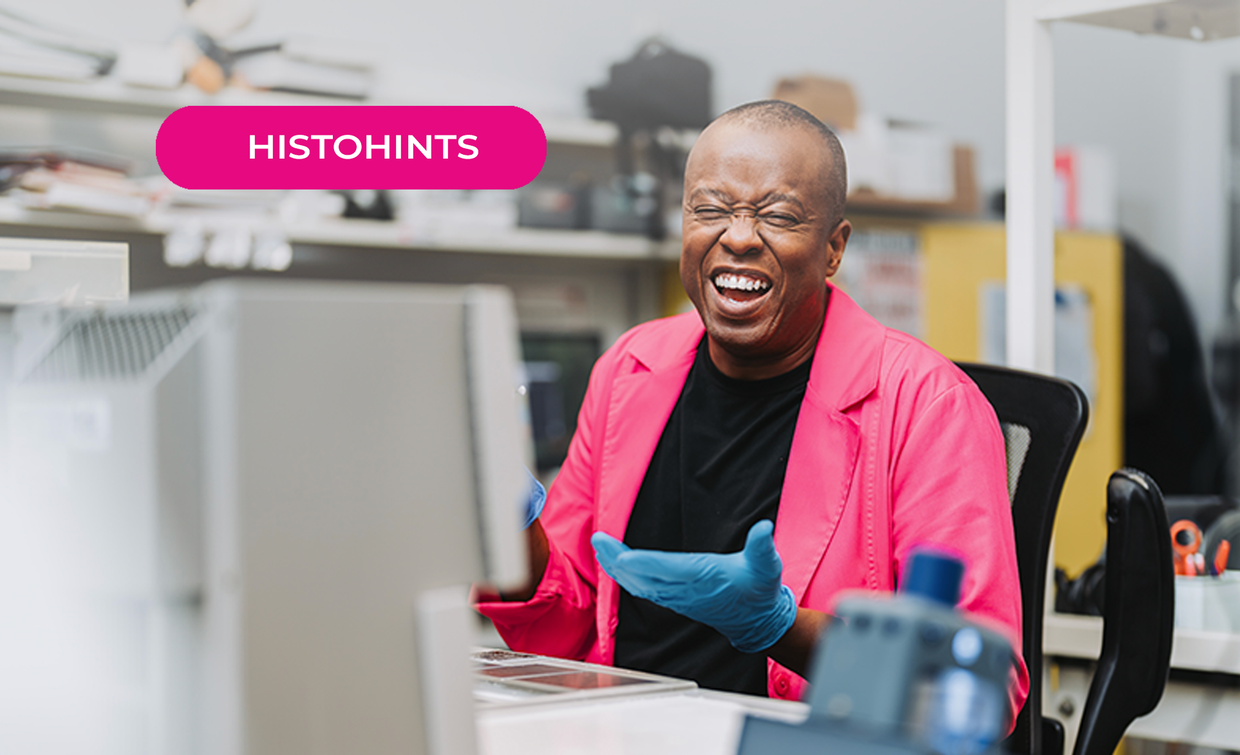
Working in a histology lab means working with all kinds of harsh chemicals from formalin and xylene to different stain reagents. Some are flammable, others are toxic or corrosive. That’s why it’s important to be ready for anything, especially spills. Knowing how to respond – and having the right tools on hand – not only protects your team and workspace but also ensures compliance with OSHA and CAP (ANP.57070). Here are some key steps to help you stay prepared:
-
- Know your chemicals. Make sure all chemicals/reagents are clearly labeled and easy to read. Keep your Safety Data Sheets (SDS) current and accessible, and ensure you have the correct neutralizing agents or absorbents or each chemical you use in the lab.
- Have a Hazard Communication Plan. This is a must per OSHA and CAP (ANP.57070). Update it regularly and include emergency contacts and detailed spill response procedures. Make sure it’s posted somewhere clearly visible and easy to access in a hurry. Check out Steps to an Effective Hazard Communication Program for Employers That Use Hazardous Chemicals at https://www.osha.gov/hazcom/guidance for more information.
- Train and educate all staff to recognize chemical hazards and know how to respond to spills. Review hazard categories and which spill kit solutions to use for different types of spills. Perform periodic drills to keep everyone sharp and ready.
- Gear up with the correct PPE. Make sure you are wearing the correct PPE before responding to a spill. This includes lab coats, gloves, eye protection, and sometimes respiratory protection, depending on the chemical. Also, check that your lab’s eye wash stations and safety showers are in working order.
- Use the correct spill kit and tools. Universal spill response kits are available that can handle acids, bases, solvents, and aldehydes. The kits typically include absorbents/neutralizers, PPE, disposable bags, and instructions for each product. After use, don’t forget to restock supplies so they're ready next time.
- Evacuate if necessary if the chemical is toxic or emits strong fumes. Notify trained personnel right away. Be safe and allow the space to ventilate properly.
- Clean, disinfect, and dispose safely. Once a spill is under control, thoroughly clean the area and disinfect it to ensure it is safe to use. Dispose of waste in accordance with your local regulations and safety protocols.
Spill response is not just about cleaning up, it’s about protecting people and maintaining a safe, productive lab environment.
Recent Posts
-

Why HCA Mid-America Division only uses KT slides in their lab.
One lab's story of overcoming tissue wash challenges.
-
Inspection Coming! 10 steps to help prepare for CAP/CLIA inspections.
Is inspection season approaching and you’re starting to feel that familiar mix of urgency and uncert
-

Why I Love Histology: Celebrating the Art and Science Behind Every Slide
Click to watch the Why I Love Histology Histohints Webinar.