
Silver stains start here: clean glassware.
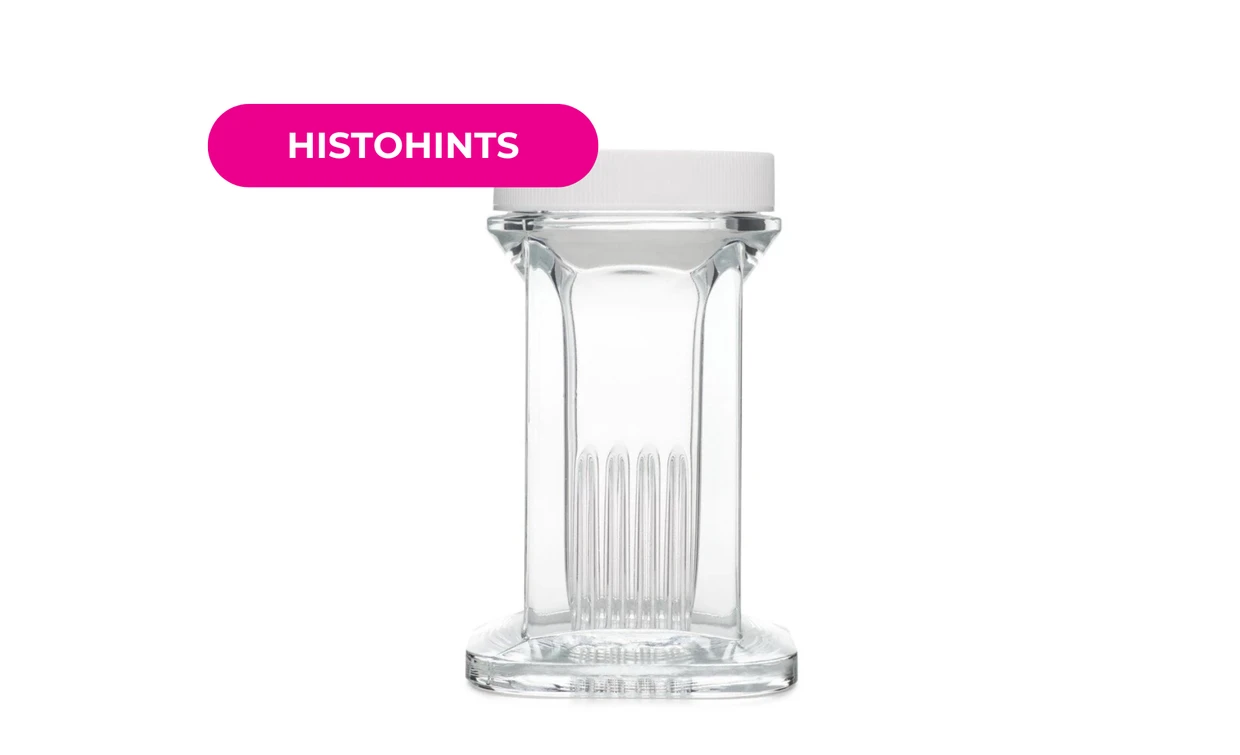
We’ve all had that glassware that looks clean—but silver stains can tell a different story. Tiny traces of detergent, previous stains, or other residue can linger and interfere with staining. Before you know it, you’re dealing with excess precipitate and background that can make your slides harder to interpret.
So what does “clean enough” really look like? Before you reach for your silver stain, follow these steps to make sure your glassware is ‘silver stains’ clean.
- Clean thoroughly
Wash glassware according to your lab’s established procedure to remove residual reagents and staining materials.
Here is an example of a recommended protocol for cleaning glassware.
- Soak in a 1% bleach solution for 20 minutes.
- Rinse thoroughly in a minimum of 5 changes of tap water.
- Rinse thoroughly in a minimum of 3 changes of DI water.
- Rinse, rinse, rinse!
This is so important! Residual detergent or cleaning solution can interfere with staining reactions.
Always rinse last in DI water. Tap water may have chemicals in it that interfere with stain reactions.
- Consider dedicated glassware for silver stains.
If you can, reserve certain containers and utensils specifically for silver staining to minimize the risk of carryover from other reagents.
- Inspect glassware before use.
Look for film, cloudiness, or precipitate. If the glassware doesn’t look clean, don’t assume it’s ready to use. It’s better to clean again than end up with a questionable stain.
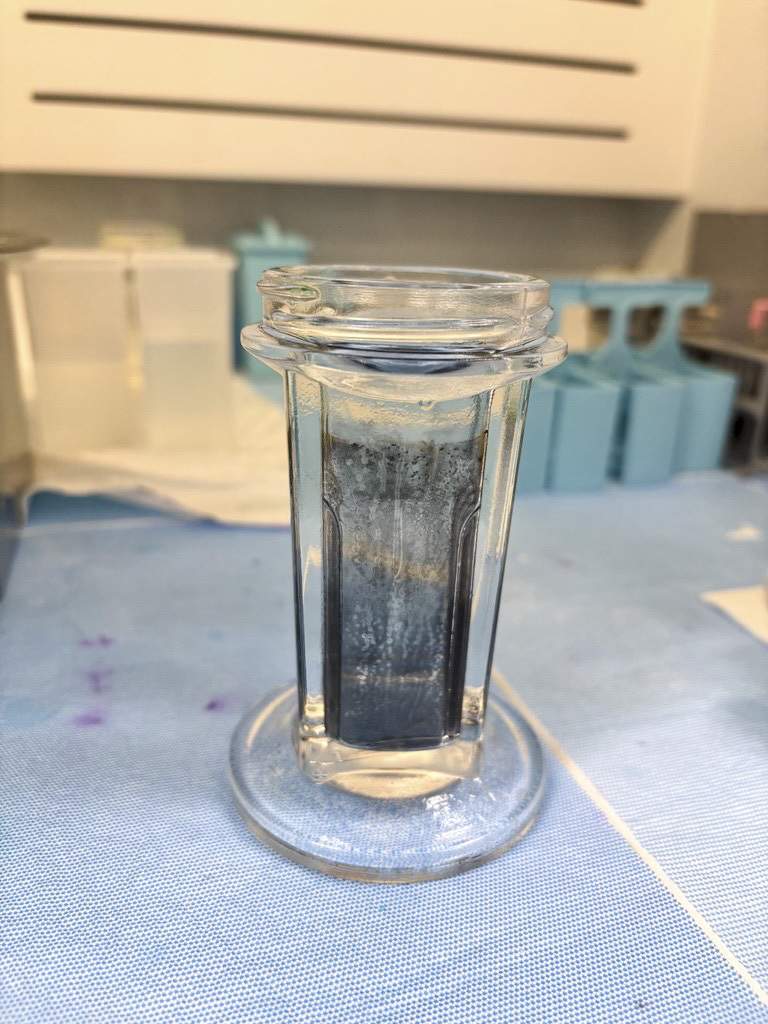
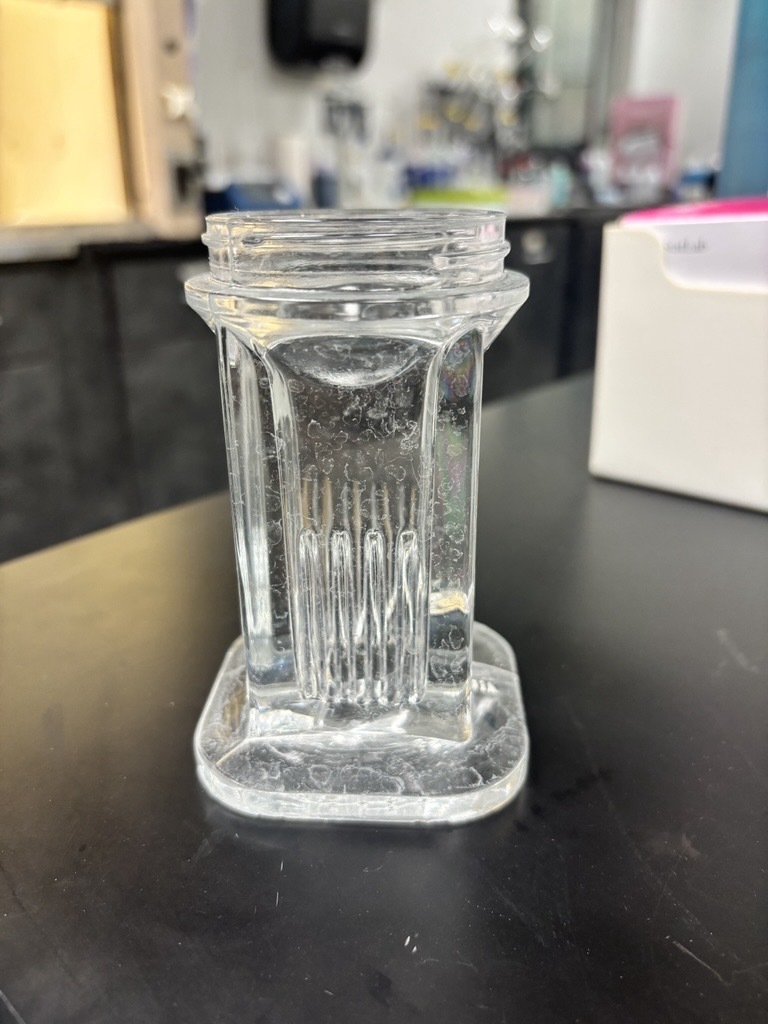
- Follow the stain’s instructions.
Silver staining methods may have specific glassware-cleaning or preparation requirements. Some protocols call for chemically cleaned containers or new/unused plasticware. Pay close attention to these recommendations and follow the procedure given, especially when it differs from your lab's usual cleaning practices.
Clean glassware isn’t just good housekeeping—it’s part of your silver stain protocol. If your silver stain isn’t behaving as expected, don’t immediately blame the stain. Start by checking the glassware.
Recent Posts
-
StatClick Prefill Handling and Closure
How to properly handle and close the StatClick Prefill for leak-proof transport. Follow your facili
-
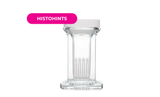
Silver stains start here: clean glassware.
We’ve all had that glassware that looks clean—but silver stains can tell a different story. Tiny tra
-
Color Matters: 10 tips for getting the most from Tissue Marking Dyes.
Tissue Marking Dyes may seem like a simple part of the grossing workflow, but small handling habits