
Safe and smart disposal tips for histology reagents.
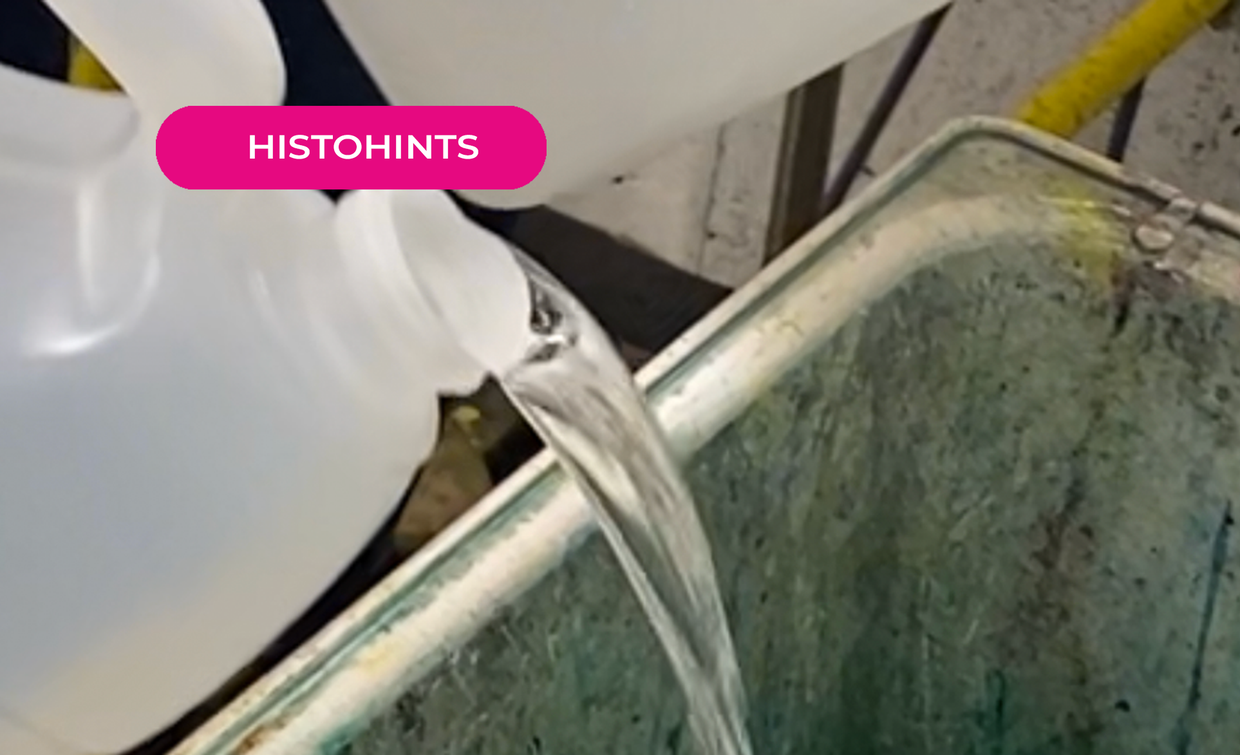
There are so many reagents and stains used in histology. What am I supposed to do with them when I'm finished? Can't I just pour down the drain and flush with lots of water?
When water (or anything else) goes down the drain, it heads to a wastewater treatment facility. There, it undergoes various processes to reduce or remove pollutants before being released into local waterways. This treated water can then be used for aquatic life, irrigating crops, or even supplying drinking water. But here’s the catch: these facilities can only treat organic materials, not hazardous ones like alcohol or xylene. Do you really want those chemicals ending up in your drinking water? In addition, many local and state regulations outline proper treatment methods for harmful chemicals to safeguard communities.
So, what should you do in your lab? It depends on where your lab is located since each region has different disposal guidelines. Here are some ways you can find out what to do:
- Check your lab’s SOPs: See if there are already established procedures for disposal.
- Ask around: Your facility might have an environmental officer, waste management officer, or waste management committee that can help.
- Look at the SDS: Check Section 13 for your reagents. It often provides disposal considerations and advises on whether the reagent can be released into the environment. You can find StatLab product SDSs on StatLab.com.
- Contact your local water treatment facility: They can provide specific disposal guidelines for your area.
Let’s take a look at some guidelines for disposal of common reagents used in histology labs.
Formalin: Since formalin contains formaldehyde, it can’t be poured down the drain. The most popular method for disposing of formalin is neutralization. Products like NeutraGreen™ liquid or NeutraSafe powder can be added to formalin to neutralize it. Make sure the formalin is neutralized (and document it!) before pouring it down the drain if that’s allowed in your area. Always check local regulations or SOPS to be sure. There are different formalin neutralizing kits available, and the right kit must be used to ensure accuracy. Some of the kits aren’t pH tests but measure any remaining unreacted aldehydes in the solution, so pH test strips won’t work.
Have questions about neutralizing formalin? Reach out to our Product Support team at [email protected].
Alcohols: Alcohols are flammable and need to be collected for hazardous waste disposal. Even if you dilute with plenty of water, you should never pour it down the drain. Many labs have designated drums or containers for alcohol waste that are removed by a hazardous waste company. Labeling satellite waste containers is just as important and may need to be done in a specific way. Make sure to refer to your SOPs or check with your safety officer for more details.
Xylene: Xylene is also flammable and must be collected for hazardous waste disposal. It should never be poured down the drain. Labs usually have separate drums or containers specifically for xylene waste that are removed by a hazardous waste company.
Hematoxylin: Hematoxylins are considered corrosive and should be placed in a suitable waste container for disposal.
Eosin/Alcoholic Stains: Most eosins and some other stains, like many cytology stains, are alcoholic and must be collected for hazardous waste. In some areas, these can be included with alcohol waste, but you need to confirm this with local regulations.
Silvers: Reagents containing silver should never be poured down the drain. Instead, collect them in a designated container for removal by a hazardous waste company.
Non-hazardous: Some non-hazardous solutions, like salts and buffers, can be disposed of down the drain, but it is important to check with local regulations for proper waste disposal.
By following these guidelines, you can ensure safe and compliant disposal of reagents.
Recent Posts
-

KT Slides & Background Staining
Background Whole slide imaging (WSI) is gaining widespread adoption in diagnostic and research path
-
Happy National Histotechnology Professionals Day!
Thank you for the vital role you play in providing the best possible patient care. We see your hard
-

Why HCA Mid-America Division only uses KT slides in their lab.
One lab's story of overcoming tissue wash challenges.