
Navigating supply chain disruptions and import fees.
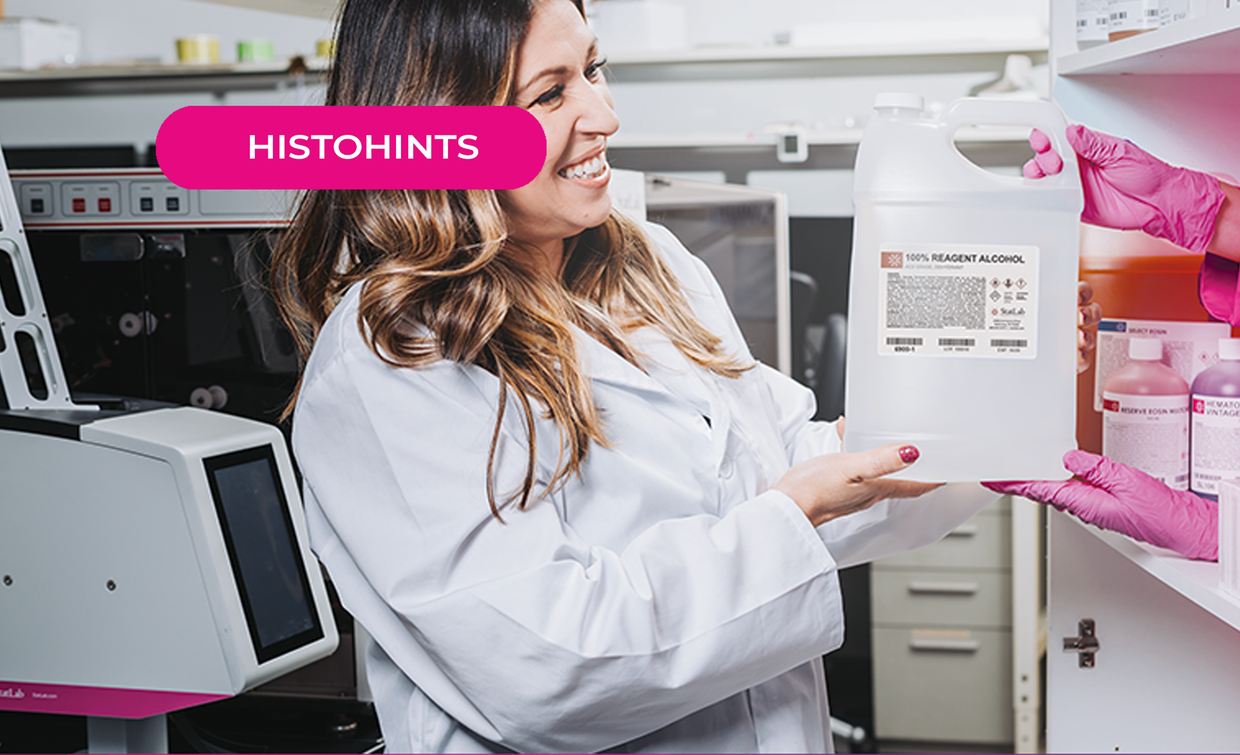
Supply chain disruptions and ever-changing import fees are making it harder than ever to maintain predictable, affordable pathology essentials. Companies that once relied on stable, low-cost goods are now facing rising costs, delays, and uncertainty. How can labs survive this shifting landscape? With flexibility and willingness to pivot. Here are ways to successfully navigate this new uncertainty and transition where needed:
1. Localize Your Supply Chain
Ensure products are locally sourced whenever possible. By minimizing your reliance on imported goods, you can reduce your exposure to sudden changes in import fees and shipping delays. Having local suppliers manufacturing many products in the U.S., like StatLab, will make the supply chain shorter and more reliable, reducing risk for your lab.
60% of StatLab products are proudly made in the U.S, with another 15-20% manufactured by StatLab in Europe. This reduces dependency on imported goods. Learn more about what we make here.
2. Plan Accordingly for Higher Costs and Stockouts
Between rising manufacturing costs and increasing tariffs, many “cost-efficient” products are no longer the bargain they once were. Higher costs and potential stockouts are a perfect storm to be prepared for in advance. Start asking vendors where products like slides, cassettes, blades, or biohazard transport bags are made, and identify import-free products and suppliers now before you face an urgent shortage.
3. Validate and Approve Alternatives Early
It is vital to have samples and backup options tested and validated before you face an unplanned shortage or major price increase. This way, if you need to make a quick switch, you’re not starting from scratch.
If needing to validate a new adhesion slide, check out our Slide Finder Tool and our slide poster, Assessing Adhesion Slide Performance Across Histology Applications. Be sure to check your lab’s SOPs for validation and verification guidelines for new slides, cassettes, or other products. Check CAP or CLIA guidelines and recommendations if this pertains to your lab.
4. Be Flexible!
Your willingness to pivot quickly will set you apart! The exact slide corner treatment (90° or clipped), specific adhesion used, color preferences or a specific cassette type might be on a temporary backorder. That’s when flexibility in purchasing becomes key. Don’t hesitate to switch to a different slide, cassette, or an alternative supplier when needed. Staying flexible keeps your workflow moving smoothly.While supply chain disruptions and rising import fees can feel overwhelming, use this as an opportunity to build a stronger, more reliable supply chain to support your lab.
By planning for uncertainty and staying flexible, we can innovate pathology essentials. Together.
Recent Posts
-
KT Slides & Background Staining
Background Whole slide imaging (WSI) is gaining widespread adoption in diagnostic and research path
-
Happy National Histotechnology Professionals Day!
Thank you for the vital role you play in providing the best possible patient care. We see your hard
-
Why HCA Mid-America Division only uses KT slides in their lab.
One lab's story of overcoming tissue wash challenges.