
Manual vs. Semi-Auto Microtomes: Why the small difference makes a big impact.

Manual microtomes have long been a reliable choice in histology labs, but semi-automatic models, like the Galileo microtome now offer a nearly identical cutting experience with a few added conveniences. For labs still operating manually, the transition is much easier – and more beneficial – than many expect.
Manual Microtomes: Hands-on and familiar
Manual microtomes rely completely on the tech to perform every action:
- Turning the large handwheel when cutting tissue sections. (see Figure 1)
- Advancing the specimen using the small course adjustment wheel when facing/trimming the block. (see Figure 2)
- Adjusting trimming, sectioning, and retraction.
Benefits
- Simple, durable, and dependable.
- Low maintenance.
- Offers precise, hands-on control.
Limitations
- Physical strain with repetitive motion.
- More variability in how users face or trim the block, potentially resulting in the loss of diagnostic tissue.
Semi-automatic Microtomes: Same feel, less effort
Semi-automatic microtomes function almost exactly like manual systems – techs still turn the handwheel – but with motorized specimen advancement.
What’s automated
- Advancing the specimen at the push of a button on the microtome’s built-in touchpad or a conveniently positioned remote touchpad. (see Figure 3)
- Block-facing and trimming with consistent, motor-driven steps.
- Enhanced ergonomic and safety features.
Benefits
- Same trusted benefits as a manual microtome.
- Reduced physical strain.
- Faster block facing and trimming without changing cutting techniques.
- Very small learning curve for manual users.
Considerations
- Slightly higher cost.
The bottom line is that the minimal differences have major gains. The overall workflow feels the same, but semi-automatic microtomes remove fatiguing and repetitive tasks while improving consistency. Labs switching from manual often see less hand and wrist strain, more predictable sections, and faster setup and trimming. Upgrading to semi-auto isn’t a big leap, it’s a small step that makes a big difference.
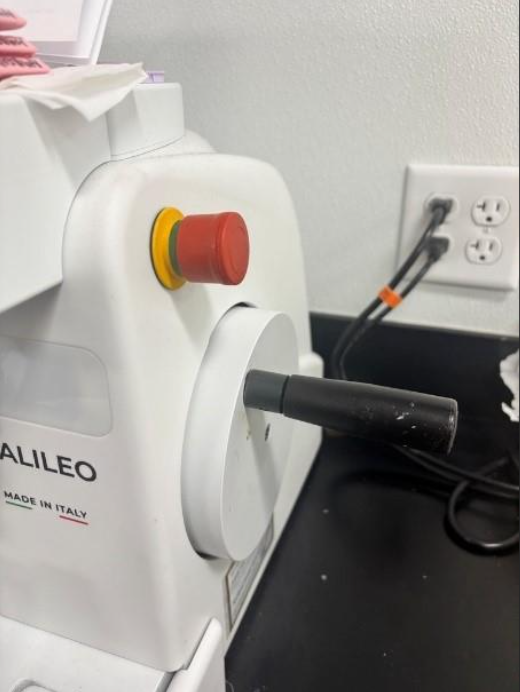
Figure 1: Large handwheel for cutting tissue sections
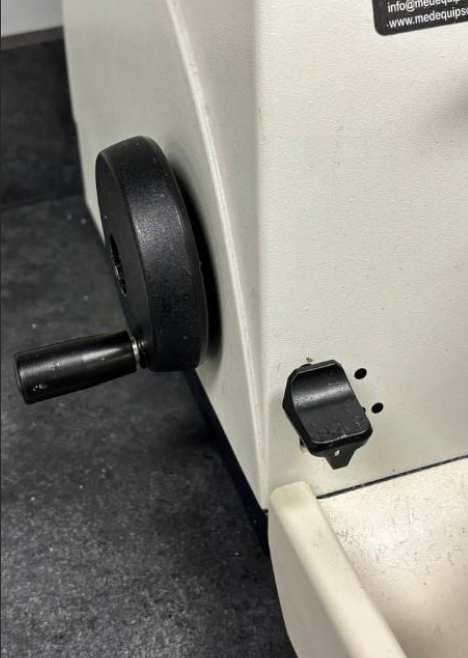
Figure 2: Coarse adjustment wheel to position blocks for facing and trimming
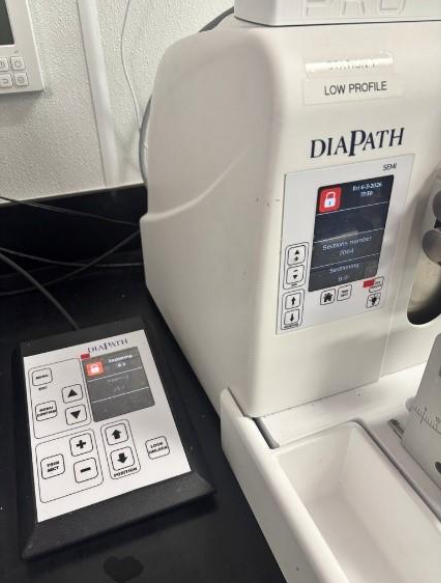
Figure 3: Semi-automatic with touchpad for facing/trimming blocks
Recent Posts
-

Thinking of going xylene-free? Here’s what labs should know.
Histotechs know the dangers and health risks associated with xylene, and interest in greener labs co
-

Manual vs. Semi-Auto Microtomes: Why the small difference makes a big impact.
Manual microtomes have long been a reliable choice in histology labs, but semi-automatic models, lik
-

KT Slides & Background Staining
Background Whole slide imaging (WSI) is gaining widespread adoption in diagnostic and research path