
- Product
- Qty in Cart
- Quantity
- Price
- Subtotal
-

-
Antibodies
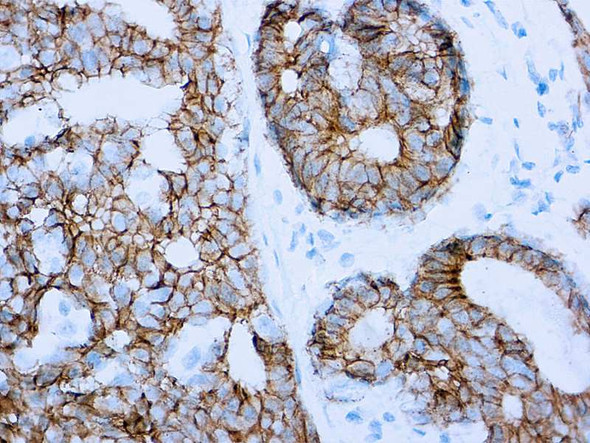
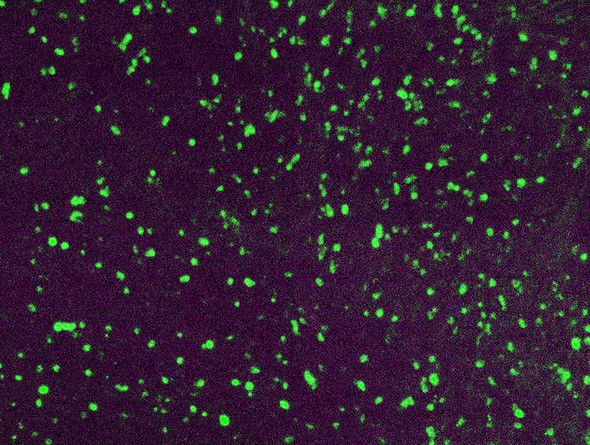
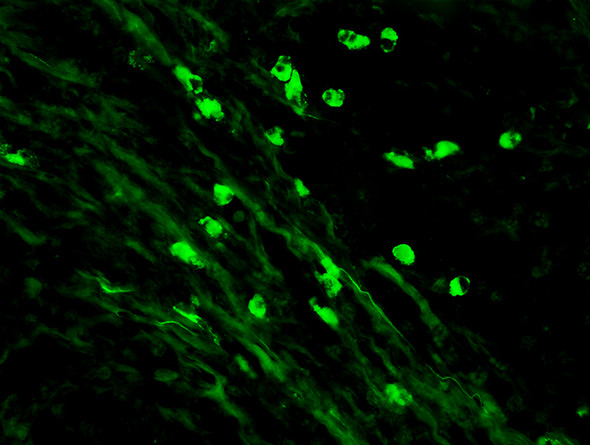
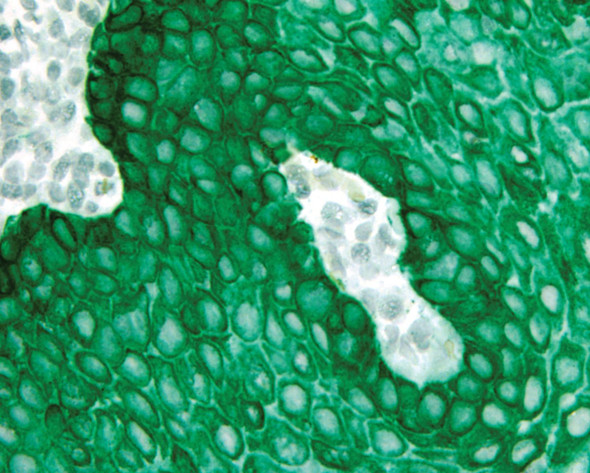
E-Cadherin, Clone SPM471
E-Cadherin, Clone SPM471, Mouse Monoclonal. Intended for in vitro diagnostic (IVD) use. -

-
-

-
Accessories
Green AP Chromogen, Ultra High Def
Ultra High Def Green-AP is a substrate-chromogen system designed to be used for either IHC or ISH when utilizing alkaline phosphatase. Ultra High Def Green-AP has been modified to increase stability... -

Antibodies
Cytokeratin HMW (Cytokeratin 903), Clone 34bE12
Mouse Monoclonal, RTU. Intended for in vitro diagnostic (IVD) use. Cytokeratin HMW is a high molecular weight cytokeratin that reacts with all squamous and ductal epithelium and stains carcinomas... -
Antibodies
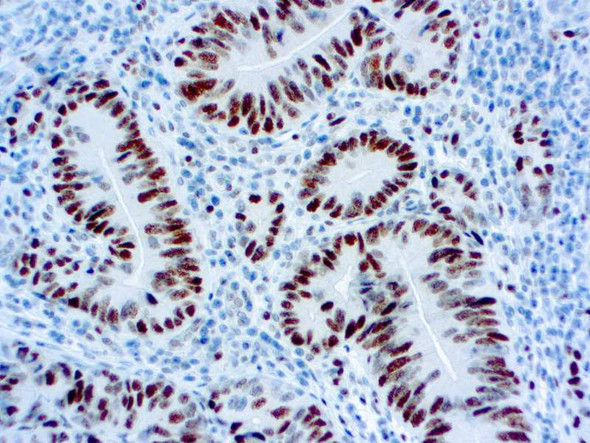
MSH6, Clone 44
Mouse Monoclonal. Ready-to-use. Intended for in vitro diagnostic (IVD) use. MSH6 is a gene commonly associated with Hereditary Non-Polyposis Colorectal Cancer (HNPCC). HNPCC is reported to be the... -
Accessories
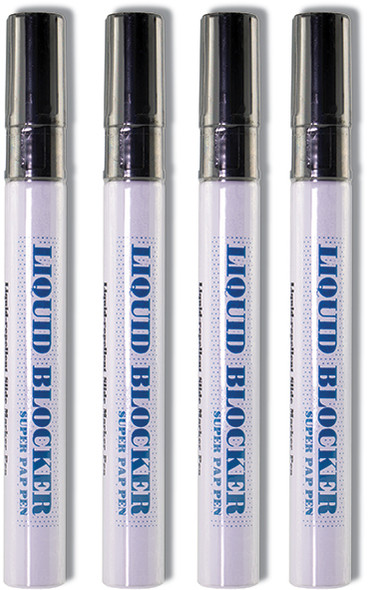
Elite PAP Pen - broad point
Liquid blocker, broad point, suitable for both immunohistochemical and fluorescent staining, hydrophobic properties allow the user to draw barriers on the slide, to confine the flow of reagents to a... -
Antibodies
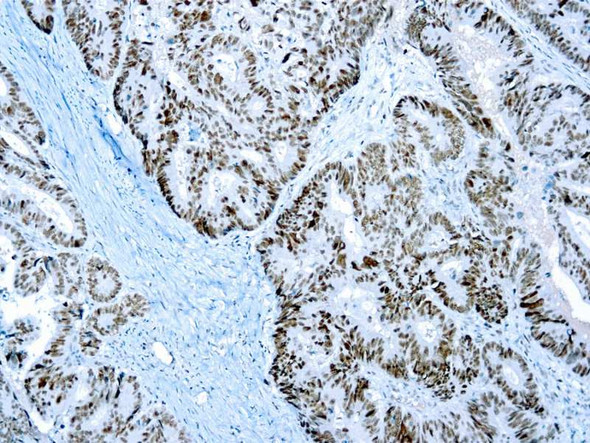
PMS2, Clone A16-4
Mouse Monoclonal, IVD/Rabbit Monoclonal, IVD Ready-to-use. Intended for in vitro diagnostic (IVD) use. PMS2 is a gene that encodes for DNA repair proteins involved in mismatch repair. Carriers of the... -

Antibodies
CEA(M), Clone Col-1, 10mL
Mouse Monoclonal, RTU. Intended for in vitro diagnostic (IVD) use. This antibody is a member of a family of complex antigens, which also includes non-specific cross-reacting antigens (NCA). The... -
Antibodies
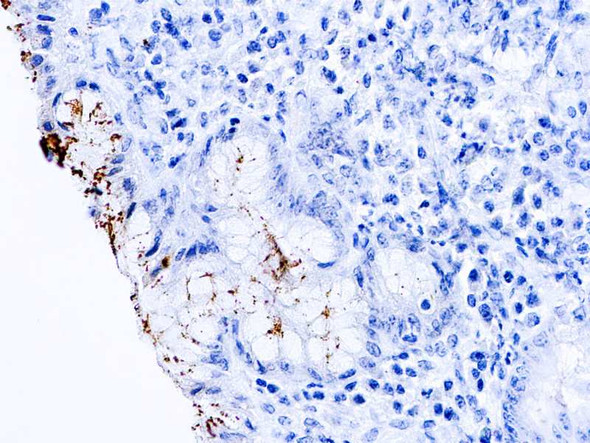
H. Pylori (P), 6mL (Manual Use)
Rabbit Polyclonal. RTU. Intended for in vitro diagnostic (IVD) use. This antibody reacts with the whole H. pylori. The antibody stains the bacteria present on the surface of the epithelium or in the...